

Filing correctly is mostly a matter of sequence and paper. Report promptly, use authorised providers, keep every document, follow restrictions, and put anything important in writing — here is how each step protects the claim.
Tag Archives: Claim Documentation
Claim Filing & Notice Requirements
What Mistakes Can Jeopardize My Workers’ Compensation Claim in Florida?

13
Jan
Jan
Most claims are not lost at hearing; they are lost in the first fortnight. Delayed reporting, gaps in treatment, unauthorised providers, inconsistent statements, and social media are the recurring culprits.
Coverage & Eligibility Determinations
Can Remote Workers in Florida Get Workers’ Compensation? (Virtual Workers)

16
Aug
Aug
Remote and hybrid employees remain covered in Florida, but home-office claims draw closer scrutiny. What must connect the injury to your job duties, and the documentation that makes a work-from-home claim defensible.
Wage Loss & Disability Benefits
Can I Start a New Job While Receiving Workers’ Compensation Benefits?

22
Mar
Mar
Changing employers does not automatically close an open claim, but it can change your indemnity benefits and complicate authorised care. What to confirm before accepting a new job while receiving benefits.
Claim Filing & Notice Requirements
What Documents Do I Need to Open a Claim for a Work-Related Accident?

19
Jul
Jul
A well-documented claim moves faster and survives scrutiny better. The records to gather after a Florida workplace accident: incident reports, medical records, wage statements, witness details, and written correspondence.

23
Nov
Nov
Slips, trips, and falls remain among the most common causes of serious workplace injury, producing fractures, head trauma, and spinal damage. What to document at the scene and how Florida treats these claims.

18
Mar
Mar
Working from home does not remove you from workers’ compensation coverage, but it does make proving a claim harder. What Florida requires for a home-office injury to qualify, and what remote employees should document.

27
Feb
Feb
Most workplace accidents are preventable, and prevention is cheaper than any claim. Practical measures — hazard assessment, training, equipment, and reporting culture — that reduce injuries and workers’ compensation exposure alike.
Denied & Disputed Claims
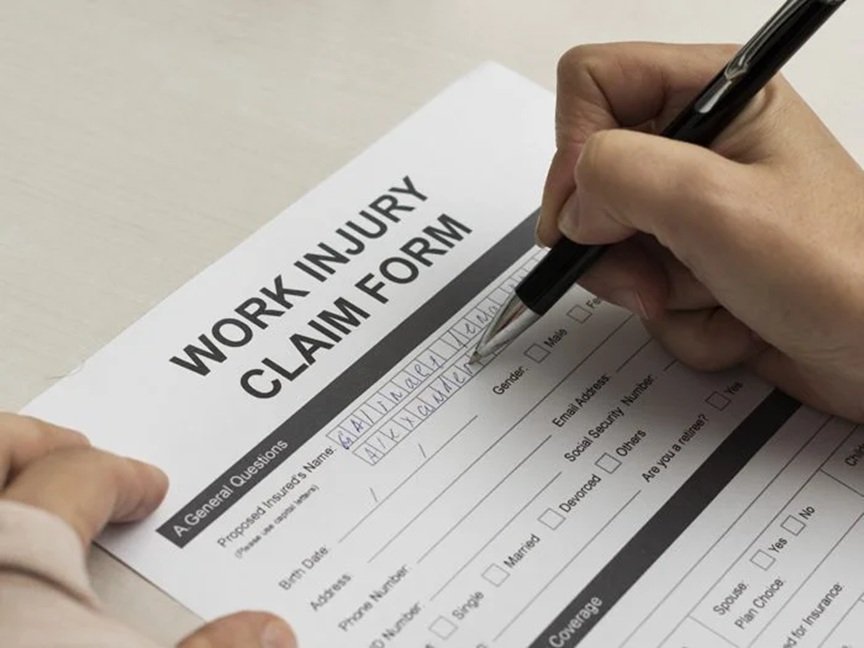
My Employer Refuses to Report My Injury to the Insurance Company. What Can I Do?
31
May
May
An employer who refuses to notify its insurance carrier cannot block your claim. How to reach the carrier directly, what the Employee Assistance and Ombudsman Office does, and how to preserve your rights in the meantime.
Late reporting weakens a claim but rarely ends it outright. What Florida’s 30-day notice rule actually requires, what happens when you miss it, and how to strengthen a claim that has already been delayed.