
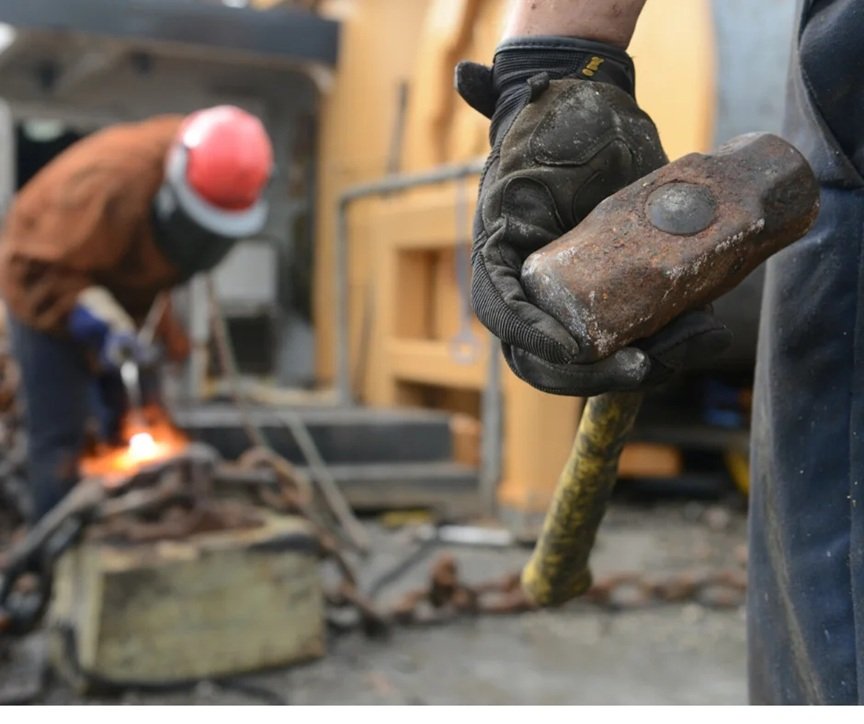
Preventing workplace accidents benefits both employers and employees. A strong workplace safety programme can reduce injuries, improve productivity, minimise downtime, and help control workers’ compensation costs. While Florida workers’ compensation generally provides benefits regardless of who was at fault for the accident, reducing workplace hazards remains one of the most effective ways to protect employees and avoid costly claims. Employers who invest in safety training, hazard prevention, employee engagement, and clear workplace policies often experience fewer injuries and a healthier work environment. The following strategies can help create a safer workplace while supporting compliance with workplace safety standards and reducing the likelihood of work-related injuries.
Developing a culture that prioritises safety encourages employees to recognise hazards, report concerns promptly, and work together to prevent accidents before they occur.
1. Design Jobs to Reduce Workplace Hazards
Every position should be evaluated to identify potential hazards and opportunities for improvement. Employers can reduce workplace risks by introducing safer equipment, improving work processes, providing appropriate personal protective equipment, and implementing effective administrative controls.
Addressing hazards before accidents occur helps protect employees and may reduce workers’ compensation claims.
2. Create Clear Job Descriptions
Well-written job descriptions establish clear expectations regarding duties, physical requirements, and workplace safety responsibilities. Employees should understand how to perform their work safely and know that all workplace injuries should be reported promptly.
Clear communication encourages early reporting, which can help employees receive appropriate medical treatment while allowing employers to investigate workplace incidents quickly.
3. Discuss Workplace Safety During Recruitment
Employers should provide realistic information about the physical demands and potential workplace hazards associated with each position. Discussing safety expectations during recruitment helps applicants understand the importance of following established safety procedures and using protective equipment correctly.
4. Include Safety-Focused Questions During Interviews
Interview discussions can help employers understand a candidate’s attitude towards workplace safety. Appropriate questions about following safety procedures, using protective equipment, and recognising workplace hazards may help identify applicants who value safe working practices.
5. Conduct Appropriate Background Checks
Where permitted by law, background checks may form part of the hiring process. Employers should always comply with applicable state and federal employment laws when conducting background investigations and complete the hiring process fairly and consistently.
6. Establish a Workplace Safety Committee
Creating a safety committee encourages employees to participate actively in identifying hazards and improving workplace safety. Regular meetings, open communication, and employee feedback can help organisations identify risks before accidents occur.
Employees should feel comfortable reporting unsafe conditions without fear of retaliation.
7. Provide Ongoing Safety Training
Comprehensive training should begin during employee orientation and continue throughout employment. Regular refresher training helps employees stay informed about new equipment, updated safety procedures, and changes in workplace operations.
Additional one-to-one instruction should be provided whenever employees require extra assistance using equipment or performing unfamiliar tasks safely.
8. Build a Strong Safety Culture
Organisations that prioritise safety at every level often experience fewer workplace injuries and stronger employee engagement. Supervisors and managers should lead by example, reinforce safe work practices, and encourage employees to raise concerns whenever hazards are identified.
A positive safety culture benefits everyone by reducing injuries, improving morale, and creating a healthier working environment.
Why Workplace Safety Matters
Although workers’ compensation provides important protection after a workplace injury, preventing accidents remains the best outcome for both employees and employers. Effective safety programmes can reduce lost work time, lower injury rates, improve employee wellbeing, and create a safer, more productive workplace.
Our related coverage of Extra Holiday Shipping Means an Uptick in Trucking Accidents and What Injury Risks Do Construction Workers Face? explains these points further.
Frequently Asked Questions About Workplace Safety and Workers’ Compensation
Why is workplace safety important?
Workplace safety helps prevent injuries, protects employees, improves productivity, and reduces the number of workers’ compensation claims arising from preventable accidents.
Can safety training reduce workplace accidents?
Yes. Regular safety training helps employees recognise hazards, follow proper procedures, and use equipment correctly, reducing the likelihood of workplace injuries.
Should employees report minor workplace injuries?
Yes. Even seemingly minor injuries should be reported promptly, as some conditions may worsen over time and early reporting helps protect workers’ compensation rights.
What is a workplace safety committee?
A safety committee is a group of employees and management representatives who work together to identify hazards, recommend improvements, and promote safe working practices throughout the organisation.
How do clear job descriptions improve workplace safety?
Clear job descriptions help employees understand their responsibilities, physical requirements, and safety expectations before performing their work duties.
Can employers require employees to follow workplace safety procedures?
Yes. Employers may establish reasonable workplace safety rules, provide appropriate training, and require employees to follow established safety procedures while performing their duties.
When should an injured worker contact a workers’ compensation attorney?
You should seek legal advice if your workers’ compensation claim is denied, your benefits are delayed, or you have questions about your rights after a workplace injury.
If you have suffered a workplace injury or need help with your workers’ compensation claim, our experienced legal team is here to help. Call 305-377-1505 for a free consultation today. We will review your case, explain your legal rights, and work to help you pursue the workers’ compensation benefits available under Florida law.
