
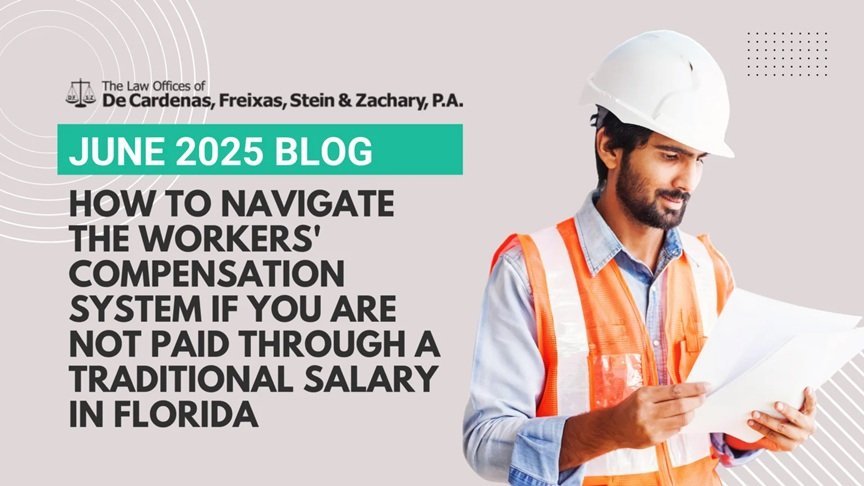
Workers’ compensation benefits are available to eligible employees across many industries, but the types of workplace injuries and the complexity of claims often vary depending on the job. High-risk occupations, such as construction and healthcare, frequently involve more serious injuries that require extensive medical treatment and longer recovery periods, while office workers may experience repetitive stress injuries or slip-and-fall accidents. Regardless of the industry, Florida workers’ compensation is designed to provide medical care, wage replacement, and other benefits for work-related injuries. Understanding how different industries present unique workplace risks can help injured employees better protect their rights and pursue the benefits they may be entitled to receive.
Workers’ compensation laws are designed to protect employees who are injured on the job, but the nature of benefits can differ depending on the industry and the risks involved. While the core purpose of workers’ compensation is the same—to provide medical coverage, wage replacement, and disability benefits—the type and extent of benefits can vary based on the work environment and the severity of potential injuries.
Construction Industry
Construction is one of the most hazardous industries in Florida and across the country. Workers regularly face risks such as falls from heights, heavy machinery accidents, and exposure to dangerous materials. Because these injuries are often severe or life-altering, workers’ compensation claims in construction frequently involve significant medical costs, extended recovery times, and, in some cases, permanent disability benefits.
Healthcare Industry
Healthcare workers, including nurses, medical technicians, and other medical professionals, are exposed to unique hazards such as lifting injuries, needlestick accidents, and exposure to infectious diseases. These injuries can lead to chronic pain, long-term health complications, or infections requiring extensive treatment. Workers’ compensation benefits for healthcare employees typically include medical care, wage replacement during recovery, and, when appropriate, ongoing treatment for repetitive stress injuries caused by the physical demands of the job.
Office Jobs
Office environments may appear to be lower-risk workplaces, but injuries still occur. Common workplace injuries include repetitive strain injuries, ergonomic injuries, and slip-and-fall accidents. Although these injuries are often less severe than those in construction or healthcare, they can still affect an employee’s ability to perform their job. Workers’ compensation benefits may include payment for medical treatment, physical therapy, and partial wage replacement while the employee recovers.
Why Industry Matters
The type of work you perform influences not only your risk of injury but also the medical treatment and recovery time that may be required. More physically demanding occupations often result in more complex workers’ compensation claims involving specialised treatment, longer periods away from work, and, in some cases, permanent disability benefits. Understanding how your industry affects your claim can help ensure you receive the benefits available under Florida law.
For related reading, see our guides on Workers’ Comp and Pain & Suffering: What You Need to Know and There Are Only Two Benefits You Receive Through Workers’ Compensation.
Frequently Asked Questions About Workers’ Compensation Benefits by Industry
Do workers’ compensation benefits differ by industry?
The purpose of workers’ compensation is the same across all industries, but the types of injuries, required medical treatment, and length of recovery often vary. As a result, the complexity and value of a claim may differ depending on the nature of the work.
Why are construction workers’ compensation claims often more complex?
Construction workers face higher risks of serious injuries such as falls, equipment accidents, and exposure to hazardous materials. These injuries frequently require extensive medical care, longer recovery periods, and may involve permanent disability benefits.
What types of injuries are common among healthcare workers?
Healthcare employees commonly experience lifting injuries, repetitive stress injuries, needlestick incidents, and exposure to infectious diseases. Workers’ compensation benefits may cover medical treatment, rehabilitation, and lost wages while they recover.
Can office employees qualify for workers’ compensation benefits?
Yes. Office workers may be eligible for workers’ compensation benefits if they suffer work-related injuries such as repetitive strain injuries, ergonomic injuries, or slip-and-fall accidents that require medical treatment or time away from work.
What benefits are generally available after a workplace injury?
Eligible workers may receive payment for authorised medical treatment, wage replacement while unable to work, rehabilitation services, and disability benefits when appropriate under Florida workers’ compensation law.
Does the severity of my injury affect my workers’ compensation claim?
Yes. More severe injuries often require additional medical treatment, longer recovery periods, and may result in greater wage replacement or disability benefits, depending on the circumstances of the claim.
When should I speak with a workers’ compensation attorney?
You should consider consulting an experienced attorney if your benefits are delayed or denied, your injury is serious, or your claim involves disputed medical treatment, permanent disability, or complex workplace circumstances.
At De Cardenas Freixas Stein & Zachary, P.A., we are committed to protecting your rights and helping you secure the benefits you deserve. Call us today at 305-377-1505 for a complimentary consultation. Our bilingual team is ready to provide personalized guidance and support every step of the way. Let us help you navigate the complexities of your case and pursue the compensation you need to move forward with confidence.
