
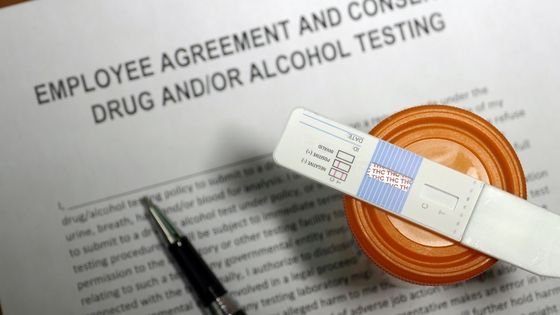
A failed drug test after a workplace accident can complicate a Florida workers’ compensation claim, but it does not automatically determine the outcome in every case. Florida law contains specific rules regarding drug-free workplace programmes, post-accident drug testing, and the circumstances under which an employer or insurance carrier may deny benefits. Whether a positive test affects your claim often depends on the facts surrounding the accident, the employer’s policies, and the applicable legal requirements. Understanding your rights after a failed or refused drug test is essential if you have been injured at work. This guide explains how drug testing may affect workers’ compensation benefits and when legal assistance may be necessary.
Workers’ compensation claims can already be challenging, and a failed or refused drug test may create additional legal issues. Employers and insurance carriers sometimes argue that drug or alcohol use contributed to a workplace accident and use that as a basis to dispute benefits. However, every claim is unique, and the circumstances surrounding both the accident and the drug test should be carefully evaluated before assuming benefits will be denied.
How a Failed Drug Test May Affect Workers’ Compensation Benefits
After a workplace injury, an employer may require a drug or alcohol test under certain circumstances, particularly if the employer participates in a drug-free workplace programme or has a policy allowing post-accident testing. A positive test result or refusal to submit to testing may affect your eligibility for workers’ compensation benefits under Florida law, depending on the specific facts of the case.
Although a failed drug test can create a significant challenge, it does not necessarily resolve every legal issue. The circumstances of the accident, the employer’s testing procedures, and other available evidence may all be relevant when determining whether benefits should be awarded.
When Employers May Require Drug Testing
Employers may conduct drug testing for several reasons, including situations where there is reasonable suspicion that an employee was under the influence or where testing is required after a workplace accident. Examples of circumstances that may lead to testing include:
- Direct observation of apparent drug or alcohol use or visible signs of impairment.
- Erratic behaviour or a significant decline in work performance.
- Reliable reports or credible evidence suggesting recent drug use.
- Evidence that an employee attempted to tamper with a drug test.
- A workplace accident where there is reason to believe impairment may have contributed.
- Evidence of possessing, using, transferring, or selling prohibited drugs while at work.
When a Positive Drug Test May Not Tell the Whole Story
Not every workplace accident occurs because of drug or alcohol use. There are many situations where an employee may suffer injuries even though another person or unrelated circumstances caused the accident. Examples include:
- Motor vehicle accidents caused by another driver while performing work duties.
- Workplace accidents caused by a co-worker’s actions.
- Injuries resulting from the negligence of a third party.
- Hazardous workplace conditions unrelated to any alleged impairment.
Because every accident is different, it is important to carefully examine the evidence before concluding that a failed drug test automatically prevents recovery of benefits.
Common Substances Screened During Workplace Drug Testing
Post-accident drug testing may screen for a variety of substances, including:
- Alcohol
- Cocaine
- Marijuana
- Amphetamines
- Opiates
The timing of drug testing and the procedures followed may vary depending on the employer’s policies and the applicable provisions of Florida law.
Why Legal Guidance Is Important
Cases involving failed drug tests often raise complex legal and factual issues. An experienced workers’ compensation attorney can review the employer’s drug-testing procedures, evaluate whether the denial of benefits complies with Florida law, explain your legal rights, and determine whether you have grounds to challenge the insurance carrier’s decision.
For related reading, see our guides on My Employer Refuses to Report My Injury to the Insurance Company. What Can I Do? and Do I Need a Lawyer for My Workers’ Compensation Claim?.
Frequently Asked Questions About Drug Tests and Workers’ Compensation in Florida
Will a failed drug test automatically prevent me from receiving workers’ compensation benefits?
Not necessarily. While a positive drug test can create significant legal issues, the outcome depends on the facts of the accident, the employer’s policies, and Florida workers’ compensation law.
Can my employer require a drug test after a workplace accident?
Yes. Employers may require post-accident drug testing in certain circumstances, particularly if they maintain a drug-free workplace programme or have policies permitting such testing.
What happens if I refuse to take a drug test?
Refusing a lawful post-accident drug test may affect your workers’ compensation claim and could result in a dispute regarding your eligibility for benefits under Florida law.
What substances are commonly included in workplace drug tests?
Common workplace drug tests may screen for alcohol, cocaine, marijuana, amphetamines, opiates, and other controlled substances, depending on the employer’s testing programme.
Can I still have a valid claim if someone else caused the accident?
Possibly. If another employee, a negligent third party, or another factor caused the accident, those facts may be important when evaluating your workers’ compensation claim and any additional legal rights.
Can a workers’ compensation denial be challenged?
Yes. If your claim has been denied following a failed or refused drug test, you may have legal options to challenge that decision depending on the specific facts of your case.
When should I contact a workers’ compensation attorney?
You should consult an experienced attorney as soon as possible if your claim involves a failed drug test, a denied claim, or any dispute regarding your eligibility for workers’ compensation benefits.
If you have been injured at work and your workers’ compensation claim has been affected by a drug test or other dispute, our experienced legal team is here to help. Call 305-377-1505 for a free consultation today. We will review your case, explain your legal rights, and work to protect the workers’ compensation benefits available under Florida law.
