

Filing correctly is mostly a matter of sequence and paper. Report promptly, use authorised providers, keep every document, follow restrictions, and put anything important in writing — here is how each step protects the claim.

15
Feb
Feb
There is no minimum-hours threshold for coverage in Florida. Part-time employees qualify on the same terms as full-time staff, though average weekly wage calculation determines what wage replacement actually pays.
Claim Filing & Notice Requirements
What Mistakes Can Jeopardize My Workers’ Compensation Claim in Florida?
13
Jan
Jan
Most claims are not lost at hearing; they are lost in the first fortnight. Delayed reporting, gaps in treatment, unauthorised providers, inconsistent statements, and social media are the recurring culprits.
15
Dec
Dec
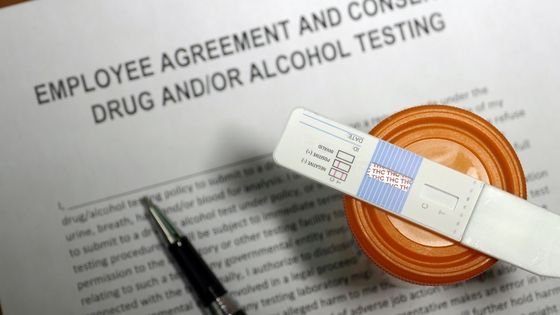
A positive post-accident test creates a presumption that intoxication caused the injury — a presumption, not a verdict. What Florida’s drug-free workplace rules actually require and how the presumption can be rebutted.

21
Nov
Nov
Strains, fractures, lacerations, burns, and repetitive trauma dominate Florida claim data. Which injuries recur in which industries, and what each typically requires by way of documentation and medical proof.

25
Oct
Oct
The consultation is your chance to assess the attorney, not just the claim. Questions worth asking about board certification, who handles your file day to day, fee structure, and their read on your case’s weak points.

21
Sep
Sep
Carpal tunnel, tendinitis, rotator cuff damage, and back strain build over months rather than in a single moment. Florida covers repetitive trauma, but these claims turn almost entirely on medical causation evidence.
Coverage & Eligibility Determinations
Can Remote Workers in Florida Get Workers’ Compensation? (Virtual Workers)

16
Aug
Aug
Remote and hybrid employees remain covered in Florida, but home-office claims draw closer scrutiny. What must connect the injury to your job duties, and the documentation that makes a work-from-home claim defensible.

19
Jul
Jul
Seasonal employees in retail, agriculture, hospitality, and tourism generally receive the same coverage as year-round staff. How Florida calculates average weekly wage for seasonal work, and why that calculation matters most.
Wage Loss & Disability Benefits
What Happens to Your Workers’ Compensation if Your Company Goes Out of Business?

21
Jun
Jun
Benefits are paid by the insurance carrier, not the employer, so a business closure generally does not stop them. What to do if your employer dissolves mid-claim, and where uninsured-employer claims are handled.