

Employers owe training, equipment, and compliant procedures; employees owe attention and prompt hazard reporting. What OSHA guarantees Florida workers, and how safety obligations interact with a compensation claim.
Tag Archives: Reporting Requirements
Claim Filing & Notice Requirements
What Documents Do I Need to Open a Claim for a Work-Related Accident?

19
Jul
Jul
A well-documented claim moves faster and survives scrutiny better. The records to gather after a Florida workplace accident: incident reports, medical records, wage statements, witness details, and written correspondence.

20
Apr
Apr
Injured Florida workers have defined rights: to report without retaliation, to authorised medical care, to wage replacement when unable to work, and to challenge a denial. A clear account of each and how to exercise it.
Claim Filing & Notice Requirements
What Happens if I Miss the Workers’ Comp Deadline to File in Florida?

23
Feb
Feb
Florida sets a 30-day injury notice requirement and a two-year limit on filing petitions, with limited exceptions. What happens when you miss each one, and which arguments still remain available afterwards.
Denied & Disputed Claims
My Employer Refuses to Report My Injury to the Insurance Company. What Can I Do?
31
May
May
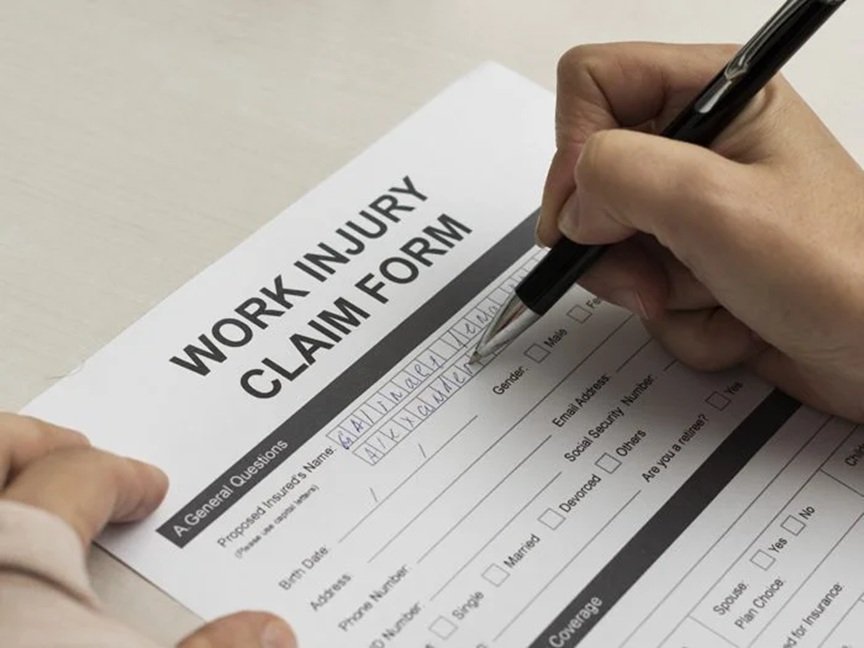
An employer who refuses to notify its insurance carrier cannot block your claim. How to reach the carrier directly, what the Employee Assistance and Ombudsman Office does, and how to preserve your rights in the meantime.
Late reporting weakens a claim but rarely ends it outright. What Florida’s 30-day notice rule actually requires, what happens when you miss it, and how to strengthen a claim that has already been delayed.
Florida law defines a covered employee without regard to immigration status. What undocumented workers are entitled to after a workplace injury, and what to expect when an employer suggests otherwise.

17
May
May
The hours and days after a workplace accident shape everything that follows. A practical walkthrough of what to report, who to tell, what to write down, and which early mistakes quietly cost injured Florida workers their benefits.
You reported the injury, but your employer still has not sent you to a doctor — and your back is getting worse. Here is how to request authorised treatment in writing, what to document, and who to contact when an employer stalls.
- 1
- 2