
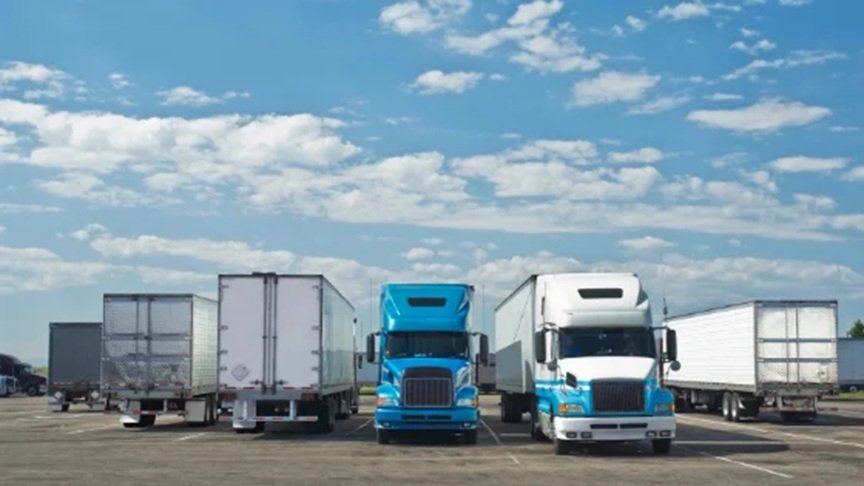
Commercial truck drivers face some of the highest risks of workplace injury because they spend long hours on the road, operate large vehicles, and often work under demanding delivery schedules. When a truck driver is injured in a work-related accident, Florida workers’ compensation may provide important benefits, including authorised medical treatment and wage replacement benefits. However, trucking claims can become more complicated when questions arise regarding employment status, independent contractor classification, or liability for the accident. Understanding your rights after a commercial vehicle accident can help protect your ability to recover the workers’ compensation benefits available under Florida law and ensure that important reporting deadlines are not missed.
Whether you drive a tractor-trailer, delivery vehicle, or other commercial truck, reporting an accident promptly and following the appropriate claims process are essential after any work-related injury.
Why Truck Driving Is a High-Risk Occupation
Commercial truck drivers encounter numerous workplace hazards every day. Long hours behind the wheel, heavy traffic, adverse weather conditions, loading and unloading cargo, and operating large commercial vehicles all increase the likelihood of serious accidents.
Truck accidents often result in severe injuries because of the size and weight of commercial vehicles, making recovery more difficult and increasing the need for ongoing medical treatment.
Common Causes of Commercial Truck Accidents
Work-related truck accidents can occur for many reasons, including:
- Driver fatigue.
- Distracted driving.
- Speeding or driving too fast for road conditions.
- Poor weather or reduced visibility.
- Mechanical failures or inadequate vehicle maintenance.
- Unsafe loading or shifting cargo.
- Heavy traffic and congested roadways.
Many of these risks can be reduced through proper training, regular vehicle inspections, and compliance with workplace safety procedures.
Can Truck Drivers Receive Workers’ Compensation?
Yes. Many commercial truck drivers who are injured while performing their job duties may qualify for workers’ compensation benefits under Florida law. If the injury arose out of and during the course and scope of employment, eligible workers may receive benefits regardless of who caused the accident.
Available benefits may include authorised medical treatment, wage replacement benefits, rehabilitation services, and other benefits provided through Florida’s workers’ compensation system.
Employment Status Can Affect Your Claim
One of the most common issues in trucking claims involves determining whether the driver is legally classified as an employee or an independent contractor. Employment status can significantly affect workers’ compensation eligibility and is determined by the facts of each working relationship rather than a single factor.
Because these cases can be legally complex, disputes regarding employment classification often require careful review.
What Should You Do After a Work-Related Truck Accident?
If you are injured while driving a commercial vehicle for work, seek medical attention immediately and report the accident to your employer as soon as possible. Whenever practical, provide written notice and keep copies of accident reports, photographs, witness information, medical records, and any documentation relating to the incident.
Prompt reporting and accurate documentation help protect your workers’ compensation claim and support your entitlement to benefits.
Important Florida Workers’ Compensation Deadlines
Florida workers’ compensation claims are subject to strict legal deadlines. In general, injured employees should report workplace accidents to their employer as soon as possible, as delays can affect their rights.
Claims are also subject to statutory filing deadlines. Missing these deadlines may result in the loss of important workers’ compensation benefits, making prompt action essential after any workplace accident.
Our related coverage of When Your Workers Comp Claim is Also a Personal Injury Claim and Differences between workers’ compensation and personal injury claims in Florida explains these points further.
Frequently Asked Questions About Truck Driver Workers’ Compensation Claims
Can commercial truck drivers receive workers’ compensation benefits?
Yes. Many truck drivers injured while performing authorised job duties may qualify for workers’ compensation benefits under Florida law, depending on their employment status and the circumstances of the accident.
What injuries are common in commercial truck accidents?
Common injuries include fractures, back and neck injuries, traumatic brain injuries, spinal injuries, shoulder injuries, burns, and other serious conditions requiring medical treatment.
Does it matter who caused the truck accident?
Workers’ compensation is generally a no-fault system. If your injury occurred during the course and scope of your employment, you may still qualify for benefits regardless of who caused the accident.
Can independent contractors receive workers’ compensation?
Employment classification can be complex. Whether a truck driver qualifies for workers’ compensation depends on the specific facts of the working relationship and applicable Florida law.
What should I do immediately after a work-related truck accident?
Seek medical attention, report the accident to your employer promptly, document the incident, and retain copies of all medical and accident records.
Are there deadlines for reporting a truck accident?
Yes. Florida workers’ compensation law includes important deadlines for reporting workplace injuries and pursuing claims. Reporting your injury as soon as possible helps protect your legal rights.
When should I contact a workers’ compensation attorney?
You should seek legal advice if your claim is denied, your employment status is disputed, your benefits are delayed, or you have questions about your rights following a commercial truck accident.
If you have suffered a commercial truck accident while performing your job duties, our experienced legal team is here to help. Call 305-377-1505 for a free consultation today. We will review your case, explain your legal rights, and work to help you pursue the workers’ compensation benefits available under Florida law.
